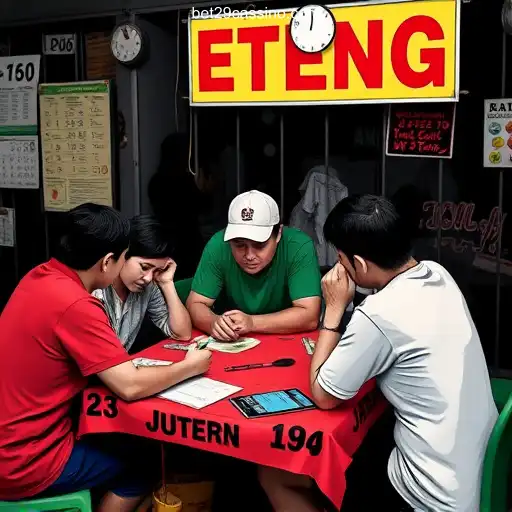
Understanding Jueteng: A Cultural and Societal Phenomenon
The game of jueteng is a popular numbers game in the Philippines often linked to the country's social, cultural, and economic backdrop. This grassroots-level gambling activity has been a subject of controversy for years, attracting attention from law enforcement agencies and policymakers alike. Despite efforts to curb its spread, jueteng remains entrenched in the societal fabric, with players and operators finding innovative ways to keep it alive.
At the heart of jueteng is a simple yet alluring numbers game where bettors choose a set of numbers, hoping to match them with the winning combination. This simplicity has been key to its widespread appeal, making it accessible to a large portion of the population. The stakes involved can range from mere pennies to substantial amounts, depending on the financial capacity of the bettors involved. With its roots deeply embedded in local culture, jueteng extends beyond a mere chance-based pastime—it encapsulates community, tradition, and even resistance.
The Mechanics of Jueteng
Understanding jueteng requires insight into its mechanics and operational framework. A typical jueteng setup consists of several critical roles, including the kabo, collectors, and bettors themselves. The kabo acts as the game's organizer, coordinating operations and ensuring the smooth running of each draw. Collectors, on the other hand, play a vital role in liaising with bettors, collecting wagers, and disseminating information about the game.
A unique aspect of jueteng is its decentralized nature, where draws can take place multiple times a day, depending on the organizational capabilities of the kabo. Unlike licensed lottery systems, jueteng lacks a fixed schedule or oversight, creating a flexible framework that can adapt to local demands. This flexibility, however, also contributes to its complexity, as it operates outside the legal frameworks established to regulate gambling activities.
The game typically involves selecting two numbers from 1 to 37. Once the bettor makes their selection, the collector forwards the bets to the kabo, who subsequently oversees the draw. Winning numbers are often chosen using rudimentary methods, such as drawing numbered sticks or conducting informal raffle-like events, and the absence of regulation sometimes raises concerns around fairness and transparency.
Jueteng's Place in Society
Jueteng occupies a unique space within the Philippine society, often viewed as both a societal ill and a cultural cornerstone. For many communities, particularly those in rural areas or economically disadvantaged urban locales, jueteng provides a source of excitement and communal involvement. The game serves as a social equalizer of sorts, allowing individuals from different social strata to engage in collective anticipation and, sometimes, celebration.
One of the paradoxes of jueteng is its dual role as both a financial burden and a form of potential economic relief. While habitual participation can drain household finances, a win—albeit rare—can provide a much-needed financial boost. In this sense, jueteng is reminiscent of a micro-economic miracle for those who seldom experience monetary windfalls. This dual perception further complicates efforts to eliminate the practice, as the perceived benefits often overshadow the risks among participants.
Additionally, jueteng's persistence is partially attributed to its ability to provide livelihoods for those involved in its operation. The network supporting the game, from the kabos to the collectors, relies on jueteng revenues as a source of income. In regions where formal employment opportunities are scarce, these roles are considered viable means of sustaining livelihoods.
Challenges in Eradicating Jueteng
Efforts to eliminate jueteng have historically floundered due to its deep societal roots and the challenges inherent in regulating a clandestine industry. Law enforcement agencies and anti-gambling advocates have attempted to dismantle operations through raids and crackdowns, but these measures are often temporary. The resilience of jueteng is attributed to its adaptability, with operators finding new methods and locales to conduct games whenever old setups are disrupted.
The embeddedness of jueteng in local cultures means that eradication efforts must go beyond punitive measures. Social interventions that address underlying economic and social conditions are crucial in providing alternative livelihoods and reducing the appeal of jueteng as a survival mechanism. Investment in education, community development, and job creation can play pivotal roles in diminishing the reliance on such informal economic activities.
Despite its illicit status, jueteng often benefits from protection and even tacit support from corrupt officials who may receive kickbacks or campaign contributions from operators. This complicity creates a challenging environment for abolition, requiring a multifaceted approach involving both local and national stakeholders working towards transparency and accountability in governance.
Modern Adaptations and Online Platforms
The advent of digital technology and the internet has opened new frontiers for jueteng operators, who now explore online platforms as a means of expanding their reach. Amidst this digital evolution, platforms like bet29⭐️ ONLINE PLATAFORMA OFICIAL, seu site confiável! are emerging, offering legal and regulated alternatives to bettors seeking similar thrills in a more secure environment. Although these platforms operate in a different scope and offer a variety of games, they represent a shift in how traditional gambling activities can transition into modern, regulated spaces.
The rise of online betting platforms also forces a reevaluation of gambling regulations, as authorities seek to distinguish between legal operators and illicit activities. While online gambling offers an opportunity to integrate traditional games like jueteng into the formal economy, it also necessitates stringent regulatory oversight to ensure consumer protection and fair play.
By embracing modern digital innovations and working towards comprehensive regulation, there exists potential to reshape the landscape of small-scale gambling in the Philippines. However, any attempt to transition must consider the cultural sensitivities and socio-economic realities of the communities involved, striving for an approach that is both inclusive and pragmatic.